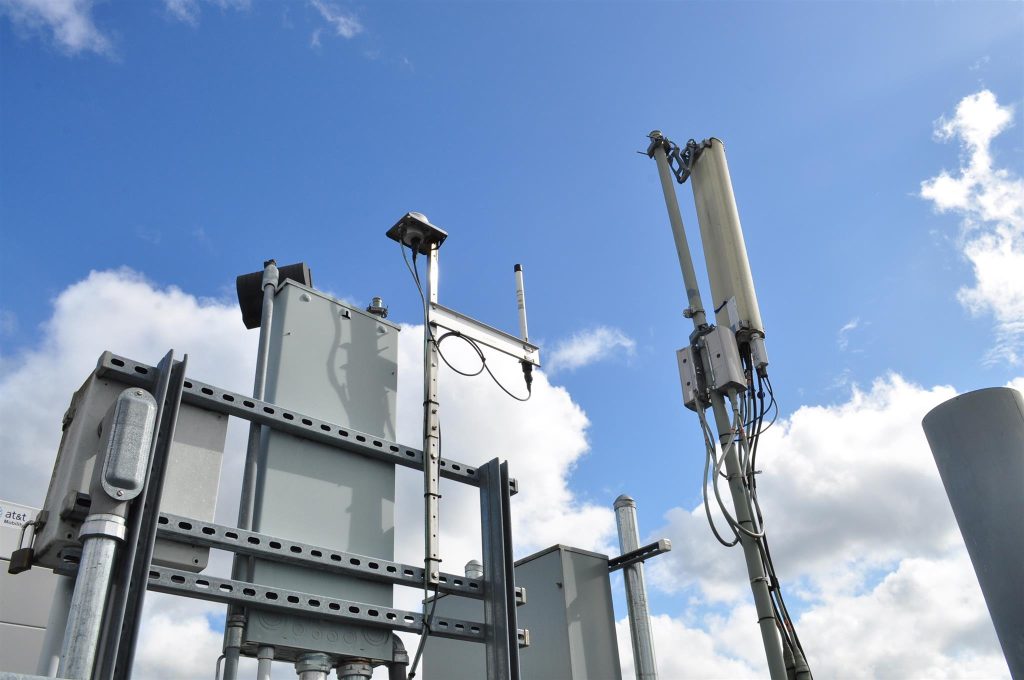
A cell tower lease can sound like an amazing opportunity for any landowner—steady monthly income, very little work, and a long-term agreement that feels like a win. But once a telecom company actually approaches you, the excitement quickly turns into uncertainty. The language is technical, the process feels unfamiliar, and it can be difficult to tell what really matters in the agreement being proposed.
Most landowners feel unsure because the wireless industry can be confusing. Carriers rely on complex terminology, site requirements vary widely from one property to another, and clear, straightforward explanations are not always easy to find. This can make it challenging to evaluate an agreement with confidence or fully understand the long-term implications of each clause.
That’s why this guide exists—to make the cell tower lease process clear, simple, and empowering, so you can move forward with confidence instead of guesswork.
How Cell Tower Leases Work
Before diving into negotiation, it helps to understand the basics of how a cell tower lease functions in day-to-day life.
Telecom carriers (AT&T, Verizon, T-Mobile) rent a small area of your land or rooftop.
You, the property owner, receive monthly rent in exchange for letting them place:
- Tower structures or antennas
- Ground equipment
- Cables and utility lines
Most leases run for 25–30 years in 5-year increments. Rent is usually paid monthly, while increases (called escalations) happen every year or every five years. In simple terms, the carrier pays you to host equipment that keeps their network working—cell service, 5G, data coverage, and emergency communications. This is why cell tower leasing continues to grow nationwide.
What Determines Site Value for Wireless Carriers
In wireless leasing, every property is valued differently. Carriers assess each site based on how well it supports their network needs, coverage goals, and long-term deployment plans. Two properties located just miles apart can serve very different purposes depending on technical, geographic, and regulatory factors. Here are the main elements carriers consider when evaluating a potential site:
1. Location Characteristics
- High-traffic areas
- Near highways
- Coverage dead zones
- Dense communities
These factors influence how critical a site is for maintaining reliable service and network performance.
2. Carrier Demand
A carrier’s internal network priorities play a major role in how they evaluate a property. Sites may be considered more strategic if they help address:
- Coverage limitations
- Capacity constraints
- Planned network upgrades, including 5G expansion
When a location directly supports a carrier’s operational goals, it becomes a more important part of their infrastructure plan
3. Tower Type
- Rooftop
- Ground tower
- Small cell attachment
Each option comes with different equipment requirements, design considerations, and technical limitations that influence how the site is used.
4. Zoning and Permits
Zoning and permitting play a major role in how attractive your property is. Areas with simpler approvals, fewer restrictions, and tower-friendly zoning, tend to attract stronger carrier interest.
Easier permits = higher interest.
5. Competition
Carriers also evaluate how many viable alternatives exist in a given area. When suitable locations are limited, a site may play a more critical role in achieving coverage or capacity objectives. Understanding this context helps landowners better grasp why some sites are prioritized over others.
Recognizing these factors allows landowners to better understand how carriers evaluate properties and why professional guidance can be helpful when navigating the cell tower leasing process.
.
Key Contract Terms Every Landlord Should Understand
A cell tower lease includes several contractual provisions that can significantly affect how the agreement functions over time. Reviewing these terms carefully helps ensure clarity, control, and fewer surprises throughout the life of the lease.
1. Rent Escalations
Escalation clauses define how the agreement evolves over time. These terms outline whether and how changes apply during renewal periods and should be clearly structured to avoid ambiguity later on.
2. Access Rights
Access provisions define how the carrier can enter and use the property.
Key questions to review include:
- Is access allowed at all times?
- Who is authorized to enter the site?
These details directly impact privacy, safety, and overall property management.
3. Maintenance Clauses
This section outlines what the carrier is allowed to maintain, upgrade, or modify. Some agreements allow broad changes without additional approvals, which can affect how the property is used over time.
4. Utility Access
Carriers often need dedicated power and fiber lines. These must be clearly defined to avoid future confusion.
5. Termination Rights
Many contracts allow carriers to cancel with short notice. Limit these rights when possible.
6. Subleasing (Colocation)
Sometimes a cellular tower lease may allow carriers to add additional equipment or users to the site. Without clear language, these changes can occur without the property owner’s direct involvement or approval.
Common Mistakes Landowners Make
Even experienced property owners can overlook important details when reviewing a cell tower lease. Common mistakes include:
- Accepting initial proposals without fully understanding the contract structure
- Relying on general assumptions instead of site-specific terms
- Overlooking how clauses interact over long timeframes
- Signing agreements without professional review
- Assuming all cell tower leases follow the same standards
Most mistakes happen because the landlord doesn’t negotiate from a place of knowledge. This guide—and experts like CellWaves—exist to flip that script.
How to Negotiate a Fair Cell Tower Lease
You don’t need to be a telecom engineer to negotiate like a pro. Here’s what matters:
1. Don’t Reveal You’re “New” to This
Carriers negotiate leases every day. Most landowners do it once in a lifetime.
2. Ask What Problem Your Property Solves
Coverage gaps = higher value
Capacity needs = moderate value
Small cell network = unique value
3. Negotiate Escalations Aggressively
Escalation clauses define how the agreement evolves over time. These terms should be clearly written and aligned with the full duration of the lease to avoid unintended outcomes in later phases.
4. Review Termination Clauses
Push for clear commitments—not easily cancelable terms.
5. Future Use of the Site
Some agreements allow additional equipment or users to be added over time. These provisions should be clearly defined so future changes do not occur without your awareness or consent.
6. Bring in a Specialist When Needed
For complex agreements, cell tower leasing advisors can help ensure the contract is structured properly and aligned with your long-term interests.
Final Checklist for Landowners
Before signing any agreement, verify:
- Site-specific terms and location requirements
- Escalation structure and timing
- Access rights and impact on the property
- Equipment upgrade and modification permissions
- Termination conditions and notice requirements
- Colocation and subleasing provisions
- Legal and professional review of the agreement
This checklist helps protect your property, clarify responsibilities, and support informed decision-making throughout the life of a cell tower lease.
Smart Next Steps for Your Cell Tower Lease
A cell tower lease doesn’t have to feel overwhelming or unpredictable. You now understand how these agreements are structured, which contract terms close attention, and the common issues that can arise during the process. Whether you’re reviewing a new cell tower lease, renegotiating an existing agreement, or exploring available contract options, you have the clarity to move forward with confidence. If you want expert support or a customized lease evaluation, contact us today.